

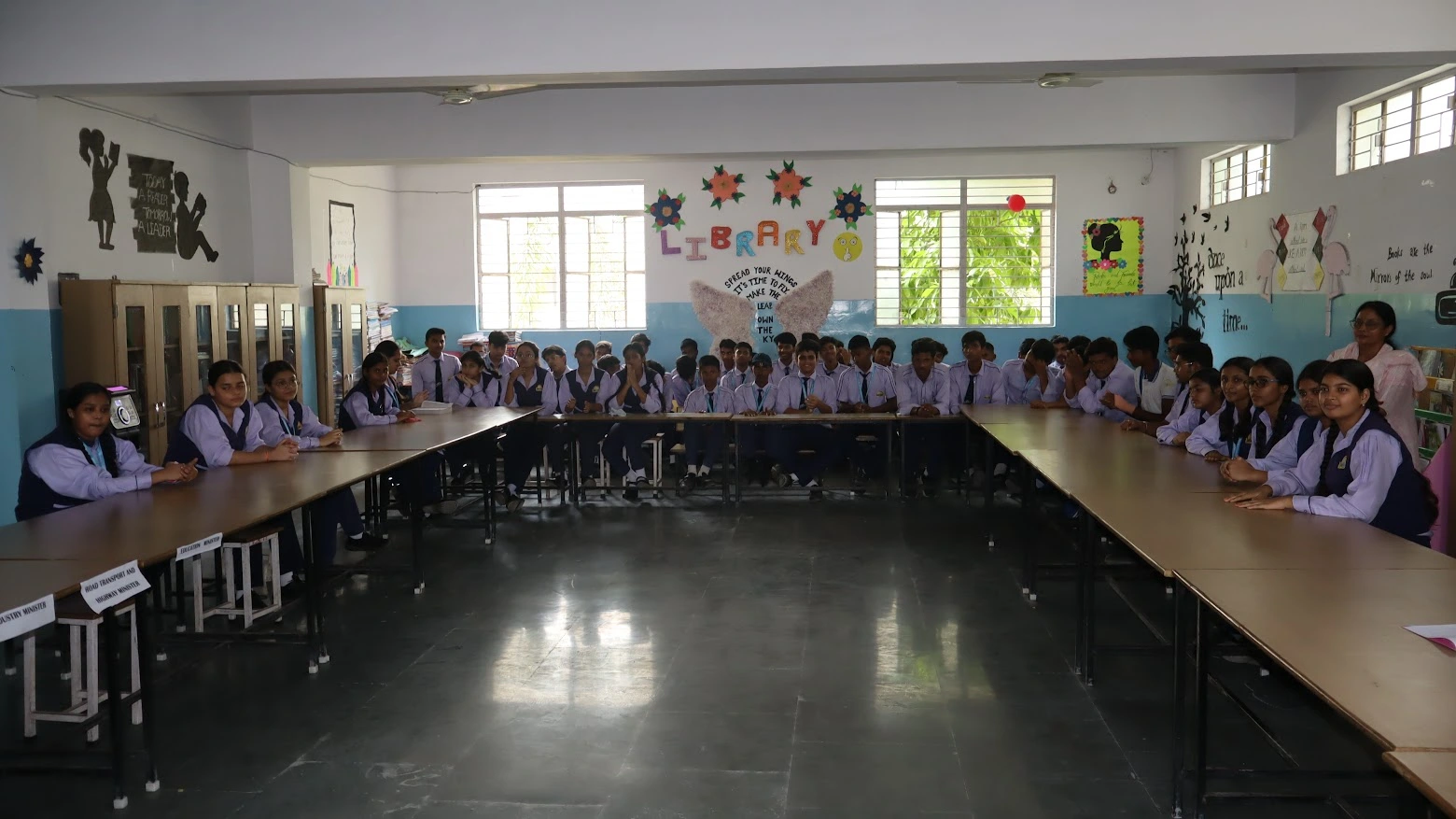
Discover the importance of quality education in a child's life. Learn how education builds confidence, creativity, life skills and a brighter future.
Quality education is the foundation of a successful future. It helps children develop knowledge, confidence, creativity, critical thinking and essential life skills. Beyond textbooks and examinations, quality education shapes a child's personality, builds strong values and prepares them to face real-world challenges.
Every child deserves an educational environment where learning is meaningful, creativity is encouraged and individual potential is nurtured.
What Is Quality Education?
Quality education is more than achieving good marks or completing a syllabus. It is a comprehensive learning approach that focuses on the intellectual, emotional, physical, social and moral development of children.
A quality education system provides:
Experienced and supportive teachers.
A safe, inclusive and positive learning environment.
Modern teaching methods and practical learning opportunities.
Equal opportunities for every student.
Opportunities to participate in sports and extracurricular activities.
Development of communication, creativity and problem-solving skills.
7 Reasons Why Quality Education Is Important in a Child's Life
1. Builds a Strong Foundation for the Future
Early education plays an important role in shaping a child's academic journey. It develops essential skills in reading, writing, mathematics and communication.
A strong educational foundation helps students understand complex concepts, explore new subjects and approach future learning with confidence.
2. Develops Confidence and Communication Skills
Quality education encourages children to express their thoughts, ask questions and participate in classroom activities.
Activities such as group discussions, presentations, debates and public speaking help students overcome hesitation and communicate confidently.
3. Encourages Creativity and Critical Thinking
Children naturally enjoy exploring and discovering new things. A supportive learning environment encourages curiosity and independent thinking.
Through practical projects, experiments, classroom discussions and creative activities, students learn to analyse situations, solve problems and develop innovative ideas.
4. Teaches Discipline and Good Values
Education plays an important role in developing a child's character. It teaches essential values such as honesty, respect, responsibility, kindness and teamwork.
These qualities help children become responsible individuals who contribute positively to their families, communities and society.
5. Supports Physical and Mental Development
A child's overall growth depends on more than academic learning. Sports, yoga, cultural activities and recreational opportunities contribute to physical fitness, emotional well-being and social development.
Participating in different activities also teaches children teamwork, patience, discipline and sportsmanship.
6. Prepares Children for Future Career Opportunities
The world is constantly changing, and future careers require more than academic knowledge.
Quality education helps students develop digital literacy, communication, leadership, adaptability and problem-solving abilities. These skills prepare them to explore different career opportunities and make informed decisions about their future.
7. Creates Equal Opportunities for Success
Education empowers children to discover their abilities and work towards their goals, regardless of their background.
An inclusive learning environment gives every student the opportunity to participate, improve and achieve their potential.
The Role of Schools in Providing Quality Education
Schools play a significant role in shaping children's educational experiences. A good school provides a balanced combination of academic excellence, extracurricular activities, experienced teachers and a supportive environment.
An effective school should focus on:
Student-Centred Learning: Understanding the individual learning needs of every child.
Experienced Educators: Guiding students with knowledge, patience and encouragement.
Modern Infrastructure: Providing classrooms and facilities that support effective learning.
Extracurricular Activities: Encouraging participation in sports, arts, cultural events and competitions.
Character Development: Teaching discipline, leadership, respect and social responsibility.
Parent-School Partnership: Maintaining communication between parents and teachers to support student progress.
How Parents Can Support Quality Education at Home
Parents are equally important in a child's learning journey. A positive home environment can strengthen the educational foundation developed at school.
Here are some simple ways parents can help:
Encourage children to read books regularly.
Create a dedicated study space at home.
Appreciate effort and improvement rather than focusing only on marks.
Encourage curiosity and allow children to ask questions.
Maintain a healthy balance between study, play and screen time.
Stay connected with teachers and participate in school activities.
Support children's interests, hobbies and individual talents.
Quality Education: Building a Better Tomorrow
Quality education is one of the most valuable investments in a child's future. It develops knowledgeable, confident, creative and responsible individuals who can contribute meaningfully to society.
When schools, teachers and parents work together, children receive the guidance and encouragement they need to reach their full potential.
At Kidz World School, the focus should always be on nurturing young minds through meaningful learning experiences, academic development, creativity and essential life skills.
Because every child deserves the opportunity to learn, grow and succeed.
Frequently Asked Questions (FAQs)
1. Why is quality education important for children?
Quality education develops academic knowledge, confidence, creativity, communication skills and good values. It prepares children for future challenges and opportunities.
2. What are the main characteristics of quality education?
The main characteristics include experienced teachers, student-centred learning, a safe environment, practical education, inclusive opportunities and holistic development.
3. How does quality education help in a child's overall development?
It supports intellectual, physical, emotional, social and moral development through academic learning, sports, cultural activities and teamwork.
4. What role do parents play in quality education?
Parents support children's learning by encouraging good study habits, providing a positive environment, communicating with teachers and appreciating their progress.
5. How can schools improve the quality of education?
Schools can improve education through effective teaching methods, modern learning facilities, teacher development, extracurricular activities and individual attention to students.